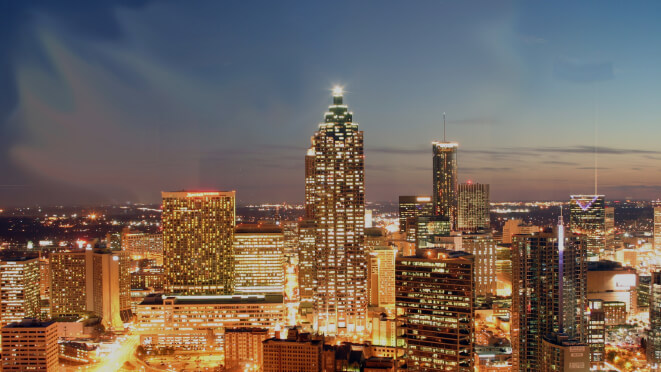
According to estimates of population growth by the U.S. Census Bureau, Atlanta, Georgia, is one of the fastest-growing and largest metropolitan areas in the U.S. Due to this reason, the Atlanta real estate market is brimming with possibilities for buyers, sellers, and investors.
Whether you’re a current resident of Atlanta, looking to move there, on your way out, or just interested in the market, familiarizing yourself with the market’s trends is key to making informed real estate decisions.
If you’d like to know what’s going on in the marketplace and how these trends will impact your buying or selling strategy, join forces with an Atlanta REALTOR® to plan your next move. And, of course, you can continue reading through this guide to be in the know!
Current Atlanta Real Estate Trends
Atlanta’s housing market is doing well with its strong employment sector, home to many Fortune 500 corporate headquarters (such as Coca-Cola, Delta Airlines, and Home Depot). And, Atlanta’s growing film industry and tech sectors are still attracting people and housing demand.
This is what’s happening in Atlanta real estate these days:
- Atlanta home prices are selling for a median price of $388,548, down 2.6% from this time last year.
- Atlanta homes sell for sale after being in the market for 84 days, on average.
- Atlanta homes for sale are on the rise and currently up 22.3% compared to this time last year.
- The median household income in Atlanta is 16% more than the American average—yet so is its cost of living.
- The average apartment rent for a unit that has 1 bedroom in Atlanta is $1,607/month, which is 2% more than the national average.
Factors Influencing the Atlanta Real Estate Market
Several factors are influencing real estate in Atlanta.
Economic Development
Atlanta’s booming economy is among the city’s most powerful market drivers, attracting considerable investment in:
- Technology. Nicknamed the “Silicon Peach,” Atlanta is an important technology hub inviting players like Microsoft, Google, and Visa to further deepen their presence in the city. This has added to the hike in property rates, particularly near Tech Square and the West Midtown innovation hub.
- Film. Atlanta’s movie business has also seen a radical boom, having earned the nickname “Hollywood of the South.” Expanding film production brought an increased demand for short-term rentals and homes, further stabilizing the housing market.
- Logistics. The location of the world’s busiest airport—Hartsfield-Jackson—Atlanta continues to be a primary transportation and logistics hub, driving employment in shipping, distribution, and manufacturing. This drives demand for industrial area housing, such as South Fulton and Gwinnett County, which offer affordable single-family homes.
- Healthcare. Emory University Hospital, Piedmont Healthcare, and the Centers for Disease Control and Prevention (CDC) are some of the leading healthcare institutions that call Atlanta home. The healthcare boom has generated demand for housing near medical zones, such as in Druid Hills (where Emory University is based) and Sandy Springs (where major hospitals are based).
While the city expands its business and entertainment sectors, the real estate opportunities will continue growing.
If you’re a buyer in one of these industries, be aware that home prices in high-demand areas (like Midtown and Buckhead) may continue to rise, making early investment a strategic move. For sellers, location is everything—work with a REALTOR® who knows how to market your property to professionals looking to move to your area.
Local Development
Atlanta is experiencing massive community and infrastructure development. Projects like the BeltLine have revitalized communities and raised property values. Additional MARTA growth, mixed-use developments, and retail/commercial projects are boosting accessibility and amenities throughout the metropolitan area.
Of note are:
- Westside Park development, which has spurred residential investment in the surrounding areas
- Tech Square growth in Midtown, attracting tech professionals and city dwellers
- Redevelopment of the South Downtown district, with retail, residential, and public space
So what does this do for buyers and sellers? Proximity to development sites can bring long-term value—homes near planned infrastructure development may experience long-term appreciation.
Housing Supply and Inventory
One of the biggest challenges facing Atlanta’s housing market is the number of homes in inventory. With a combination of high demand and low supply, competition has grown fierce, especially in high-demand neighborhoods. Even though new building developments are attempting to catch up with the lack, they always seem to be behind the growth in population.
Buyers must be prepared to handle bidding battles and rising home prices, particularly in hot areas. There has to be flexibility—being open to expanding the search radius can increase the likelihood of finding a cheaper but up-and-coming neighborhood.
Sellers can, however, capitalize on this competitive market by listing their properties for sale strategically to attract top-dollar bids. Investors must also consider how the shortage affects rental markets because increased demand for houses usually leads to higher rents.
Top Neighborhoods in Atlanta
Atlanta’s neighborhoods offer something for everyone—whether you’re a single pet owner, married with several kids, or you’re just looking for a nice fixer-upper. From vibrant urban hubs to peaceful, family-friendly enclaves, here are some of the most desirable areas to consider:
Buckhead
Buckhead is renowned for its upscale lifestyle, luxury homes, and upscale shopping malls like Phipps Plaza and Lenox Square. It’s a business and financial center, attracting professionals and families who want to be close to the best schools, upscale restaurants, and elegant residential communities.
Buckhead’s wide range of housing options—from high-rise condos to large homes—make it a flexible yet upscale option for buyers.
Midtown
Midtown is one of Atlanta’s most walkable neighborhoods, with a vibrant combination of community, commerce, and culture. It boasts the High Museum of Art, Piedmont Park, and growing numbers of tech companies and professionals and creatives who are attracted to it.
Midtown residential property is largely condos, townhomes, and newer high-rise apartments, so it is highly convenient for residents who want urban but do have access to parks and nightlife.
Brookhaven
Brookhaven combines downtown convenience with suburban amenity. Located northeast of Buckhead, it features charming bungalows, new-construction homes, and townhomes. The area is characterized by highly rated schools, wooded parks, and recreational family-friendly areas.
With easy access to public transportation and commercial activity hubs, Brookhaven is extremely sought after by professionals and young families alike.
Virginia Highland
This historic neighborhood is valued for its craftsman homes, walk streets, and quirky shops and eateries. It provides the charm of a small town with the convenience of proximity to Downtown and Midtown.
Virginia Highland is perfect for people who enjoy neighborhood character, neighborhood stores, and a vibrant dining community.
Chastain Park
Chastain Park is best known for its title-bearing park—the largest in Atlanta—with walking trails, tennis facilities, a golf course, and an outdoor ampitheater. The community offers wide lots, high-end residences, and the perfect, idyllic residential ambiance.
A tranquil, suburban life in proximity to Buckhead’s amenities comes in the form of Chastain Park and is ideal for families as much as it suits anyone seeking elbow room.
 KEYEDINSIGHTS
Leave a comment