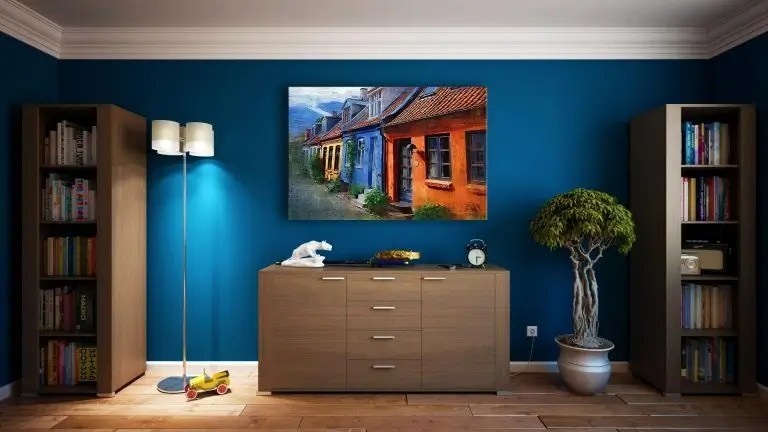
Whether you want to add a pop of color, a textured look, or a unique design to a space in your home, an accent wall is the way to go. But there are two routes you can take to create an accent wall: hiring a professional or doing it yourself.
Whether you’re an avid DIYer or looking for an expert to take on the job, you may be wondering how to get started. Here’s a quick guide to adding accent walls to your home, whether you’ve decided to do it yourself or hire a professional.
Pros and Cons of DIY Accent Walls
If you’re considering taking on an accent wall yourself, it’s important to first weigh the advantages and potential downsides. While a DIY project can offer creative control and cost savings, it also requires time, effort, and skill. Let’s break down the pros and cons of going the DIY route:
DIY Accent Wall Pros
Cost Savings. One of the biggest advantages of tackling a DIY accent wall is the money you’ll save. By doing the work yourself, you can avoid labor costs, which can be a significant portion of a renovation budget. Plus, the money you save on hiring a contractor can be put toward higher-quality materials or other home improvement projects.
Creative Control. From choosing the exact shade of paint to experimenting with textured wallpaper or paneling, DIY gives you complete creative control over every aspect of your accent wall. You’re free to let your imagination run wild!
Personal Satisfaction. The pride in standing back and admiring something you’ve built with your own hands is hard to beat. For many DIY enthusiasts, the process itself becomes a rewarding hobby that builds confidence in their home improvement abilities.
DIY Accent Wall Cons
Time Requirement. While a DIY accent wall can be rewarding, it also demands a significant investment of time. Depending on the complexity of your design, you could be looking at several days—or even weeks—of work. What might seem like a weekend project could extend far longer, especially if unexpected challenges arise.
Skill Level. It’s harder than it may seem to achieve a professional-looking finish. For instance, getting crisp edges with painter’s tape or lining up wallpaper patterns perfectly may require more precision than you anticipate. If you lack prior experience with DIY projects, there’s a learning curve to overcome. Mistakes could lead to frustration or, in the worst cases, require additional materials or professional help to fix.
Tool Investment. Even though DIY can save money on labor, you’ll still need to invest in tools and supplies, especially if you don’t already own them. Even something as simple as painting requires high-quality brushes, rollers, painter’s tape, and drop cloths. More intricate designs—like using stencils, textured materials, or wall paneling—might require specialized tools such as laser levels, power saws, or wallpaper kits.
If you enjoy hands-on projects, value creative control, and don’t mind dedicating time to your vision, DIY could be the perfect path for your accent wall. However, if you’re pressed for time or concerned about achieving professional results, it’s worth considering whether the investment of effort and tools is worth it.
Pros and Cons of Hiring a Professional
Deciding to hire a professional to create your accent wall can save you time, effort, and ensure a polished outcome. However, the increased cost and reduced hands-on involvement may not appeal to everyone. Let’s break down the pros and cons of hiring a professional:
Hiring a Professional Pros
Expertise and Precision. One of the biggest reasons to hire a professional is their experience and skill set. With years of practice, professionals can deliver flawless results that would be difficult for a DIYer to achieve, especially if the design involves intricate patterns, specialty materials, or detailed craftsmanship.
Time Efficiency. What might take you days or even weeks to accomplish can often be done in a fraction of the time by a seasoned expert. Professionals come equipped with the right tools and a familiarity with the process, meaning they can work efficiently and complete the project faster than a DIY effort.
Design Guidance and Advice. If you’re uncertain about what colors, patterns, or materials will best suit your space, a skilled professional can provide valuable insights. They can help you choose options that complement your existing décor, enhance natural light, or create the mood you’re aiming for in the room. This design guidance can be particularly helpful if you’re not confident in your own design choices or if you’re seeking a trendy or timeless look.
Hiring a Professional Cons
Higher Cost. The most significant drawback to hiring a professional is the cost. Professional services come with labor fees, which can drive up the overall budget for your accent wall. While you’re paying for expertise, convenience, and high-quality results, this price tag may not fit into every budget.
Less Personal Control. While you still have a say in the overall design—such as choosing the colors, patterns, and materials—the actual execution of the project is in the hands of the professional. This can feel limiting if you’re someone who likes to be involved in every step of the process.
Limited Availability. Coordinating schedules with a professional can be difficult. Depending on their availability, you may have to wait days or even weeks for the project to begin, especially if the contractor is in high demand.
The Takeaway: Choose What’s Right For You
Whether you decide to embrace the creative journey of a DIY project or opt for the precision and expertise of a professional, knowing the pros and cons will help you make the right choice for your space. DIY offers you budget-friendly flexibility and full control over the design, while hiring a professional ensures a polished finish with minimal hassle. Whatever path you choose, the result will be a vibrant, personalized space that reflects your unique style.
 KEYEDINSIGHTS